This post may contain affiliate links. Please read our disclosure policy.
My all butter pie crust recipe is made with five pantry staples: flour, butter, salt, vinegar, and ice water for a rich, flaky crust you can count on. I’ve tested and tweaked the recipe countless times, making it as simple and foolproof as possible. I’ll walk you through the process to achieve bakery-worthy results at home, even if you’re new to baking!
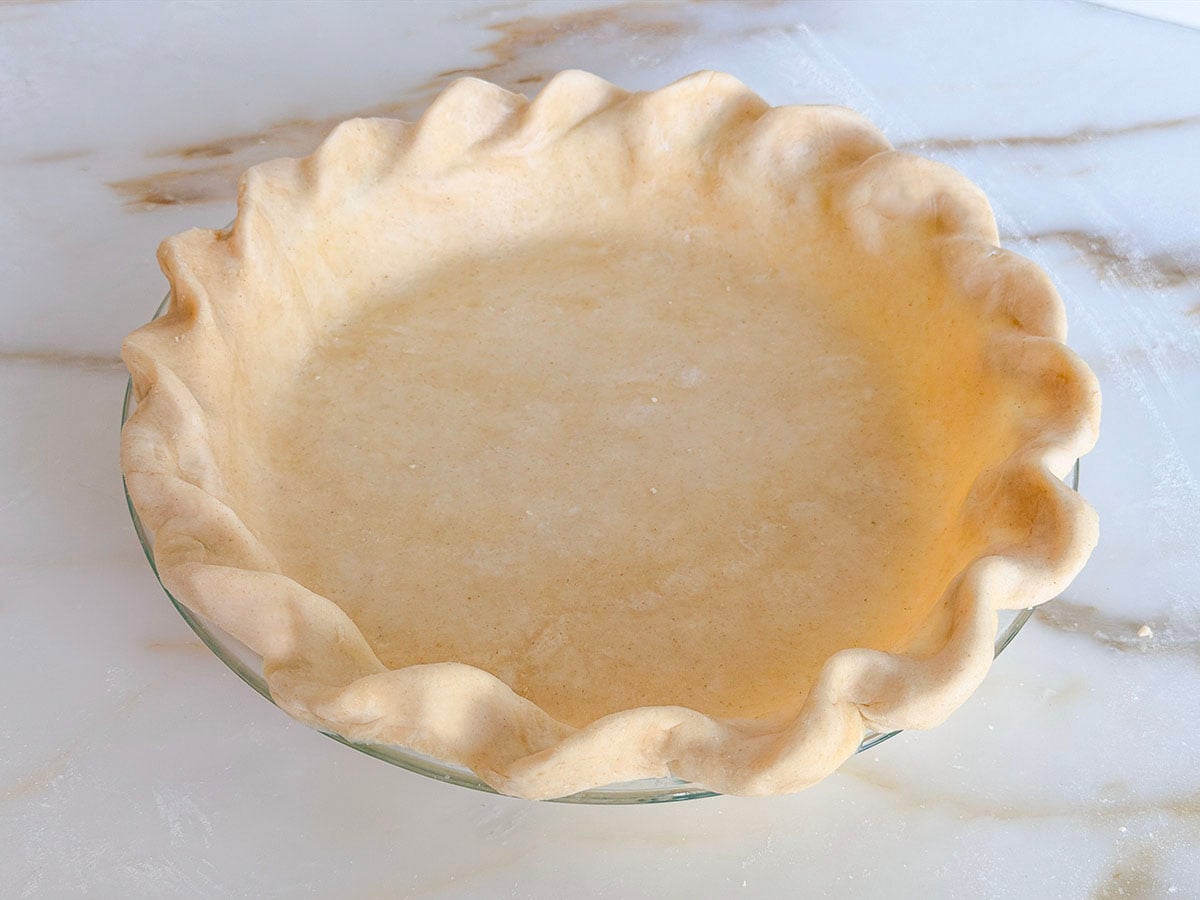
There is a moment, somewhere between rolling out the dough and lifting it into the pan, when you understand why we bake pies from scratch. The butter crust gives a little, holds together, smells faintly of fresh butter, and you think: this is it!
I come from a long line of pie bakers. My grandmother Alice was known for her pie (“a little piece won’t hurt you honey!”). My mother’s pies…well now, that’s a part of my nostalgia I hold onto tightly. She baked pie often, and they were always simply divine. I don’t bake a pie without thinking of her, so that makes me want to bake pie often, too. My go-to crust is her oil pie crust recipe, one she turned to when she struggled with the shortening or butter crusts her own mom made.
When I learned the pleasure of butter crusts in culinary school, I became a fan. Yet I am just now getting to sharing my top tips for this wonderful crust!
It uses simple ingredients (just five of them), and it works for us every single time. Whether you’re making a double-crust pie loaded with summer cherries, a silky pumpkin pie recipe for the holidays, or a homemade apple pie that fills the kitchen with the scent of fall and cinnamon, this butter crust is a wonderful place to start.
An all butter pie crust is not complicated. It is, however, unforgiving of shortcuts! The entire project depends on keeping fat and flour from becoming friends too soon, meaning you need cold cubed butter, cold flour, and even cold hands. Do that, and you end up with a flaky pie crust recipe that shatters at the fork, browns deeply and evenly, and tastes the way homemade pie crust is supposed to taste, like something worth the effort.
This recipe makes enough dough for two single-crust pies or one double pie crust. It comes together in a food processor in minutes. It will be the foundation of all your favorite desserts, like cherry pie and lemon meringue pie. You’ll never go back to pre-made pie crusts again!
If you like this butter pie crust recipe, be sure to try my coconut oil pie crust and no roll tart crust, too.
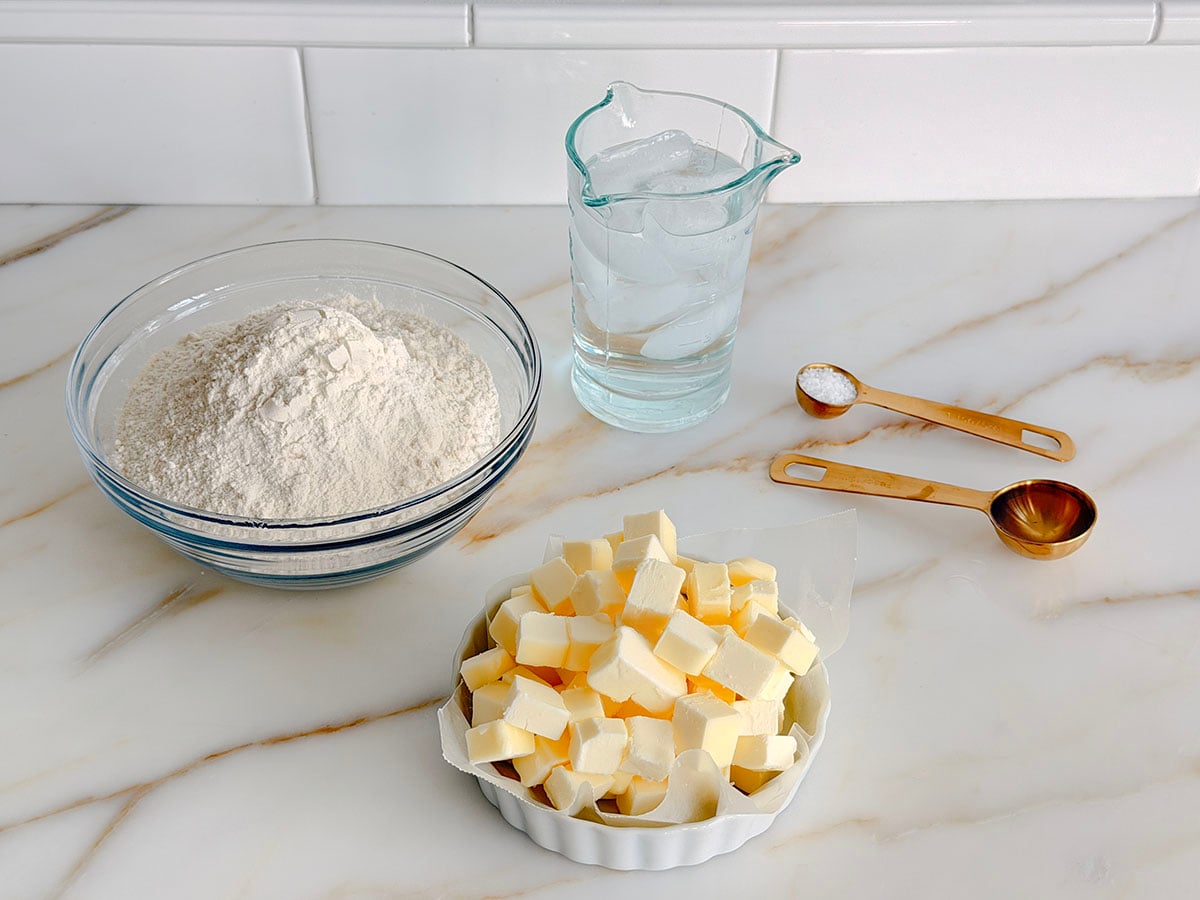
Ingredients and Notes
Please be sure to scroll down to the recipe card for the complete ingredient list and step-by-step instructions!
- Unsalted Butter: The star of the show. Use a good-quality unsalted butter, either homemade butter or store-bought. The flavor really does come through here. The butter must be very cold, cut into ¼-inch cubes, and chilled again. Then keep in the refrigerator until the very moment you need it. Warm butter blends into the flour rather than coating it, and you lose the flakiness you’re working toward.
- All-Purpose Flour: Standard all-purpose flour works perfectly here. For an extra-flaky crust, you can chill the flour in the freezer for 15-20 minutes before you begin. It’s a small step that makes a real difference on a warm day.
- Salt: Just a teaspoon, but it matters. Kosher salt sharpens the flavor of the butter and balances the richness of the finished crust. Don’t skip it. If you like a little sweetness in your crust, you can add a tablespoon of granulated sugar as well.
- Apple Cider Vinegar: This is the secret weapon. A small amount of acid inhibits gluten development, which keeps the crust tender rather than tough. Vodka works for the same reason (alcohol also slows gluten development), and allows for more liquid without waterlogging (the alcohol evaporates). Use whichever you have on hand. You won’t taste either one in the finished crust. If using vodka, make a frozen mint julep to sip on while you work…!
- Ice Water: Use a glass of water with a few ice cubes and measure from there. Too little water and the dough crumbles; too much and the crust turns dense. Stop the moment the dough begins to clump.
How to Make an All Butter Pie Crust
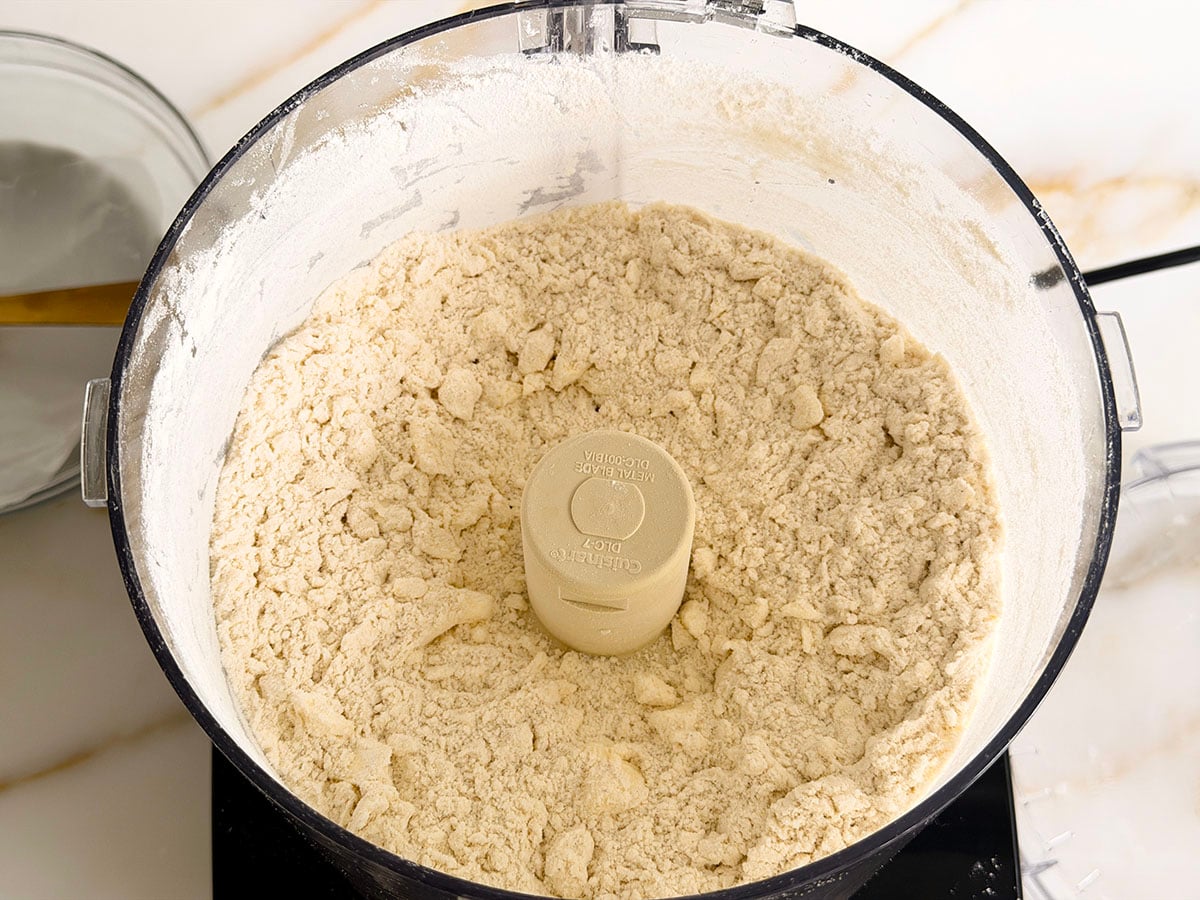
- Combine dry ingredients. Pulse the cold butter, cold flour, and salt in a food processor just until the mixture resembles breadcrumbs. There should still be small, visible lumps of butter throughout. Those are what create the flaky layers. This takes about 15 one-second pulses. Don’t over-process.
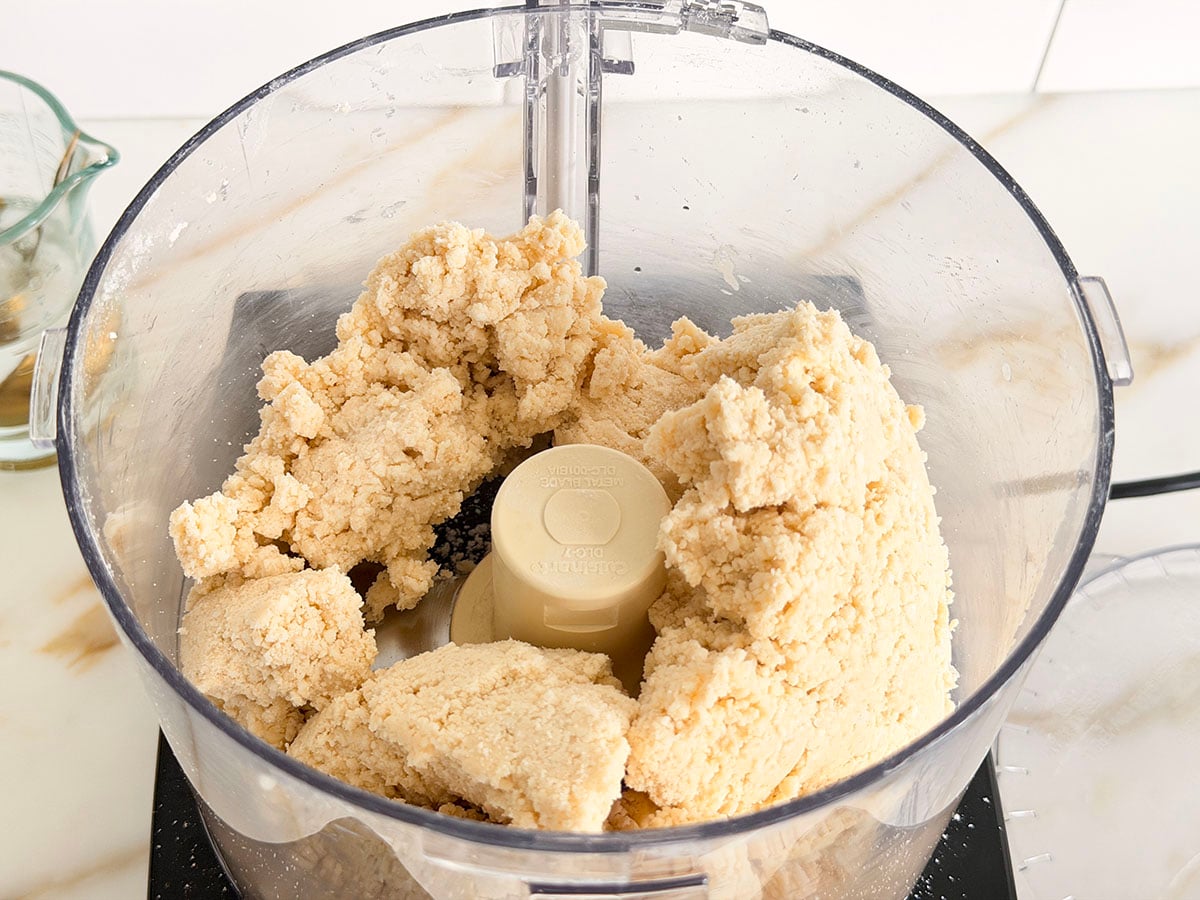
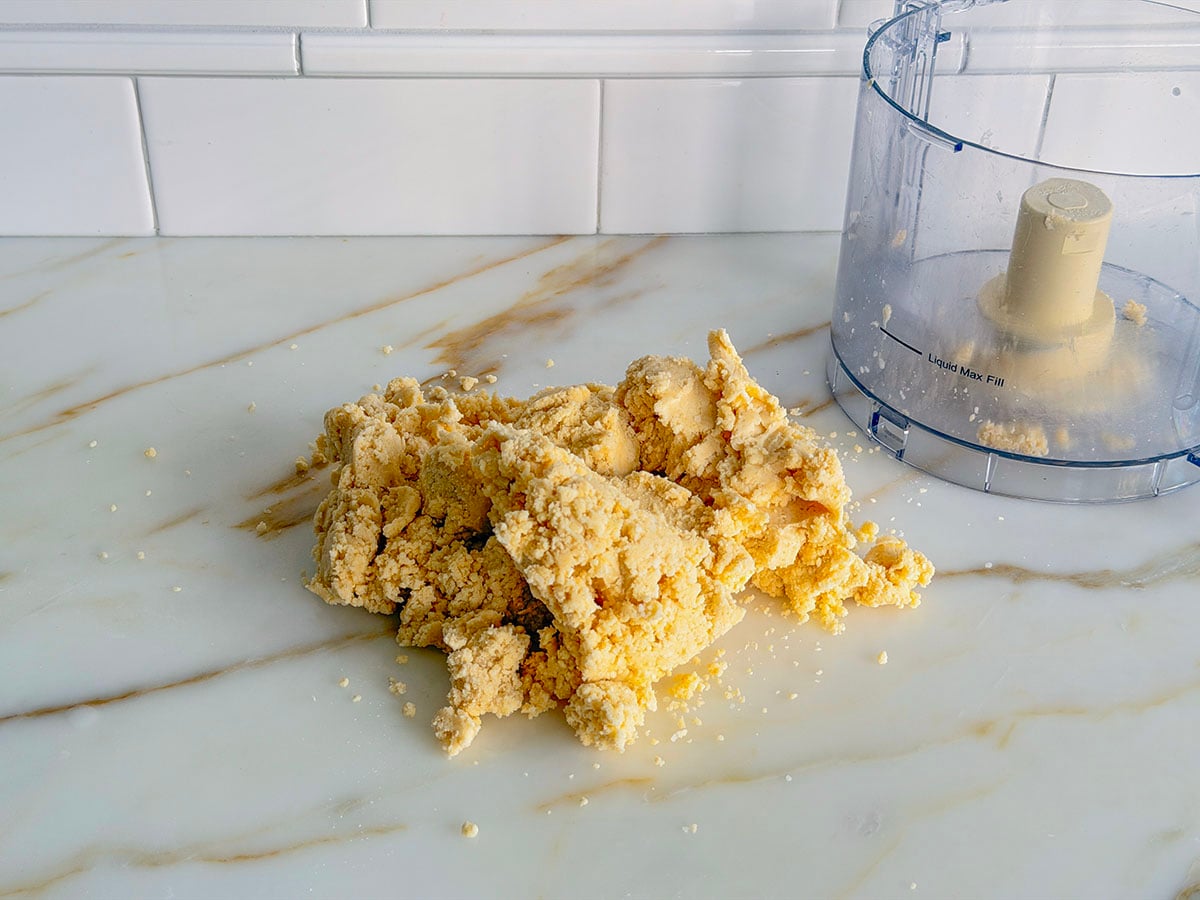
- Add wet ingredients. Feed the apple cider vinegar into the food processor, then add ice water one tablespoon at a time, pulsing 4 to 5 times after each addition. Watch the dough carefully: you’re looking for the moment it begins to form large clumps and pull away from the sides of the bowl. Stop there.
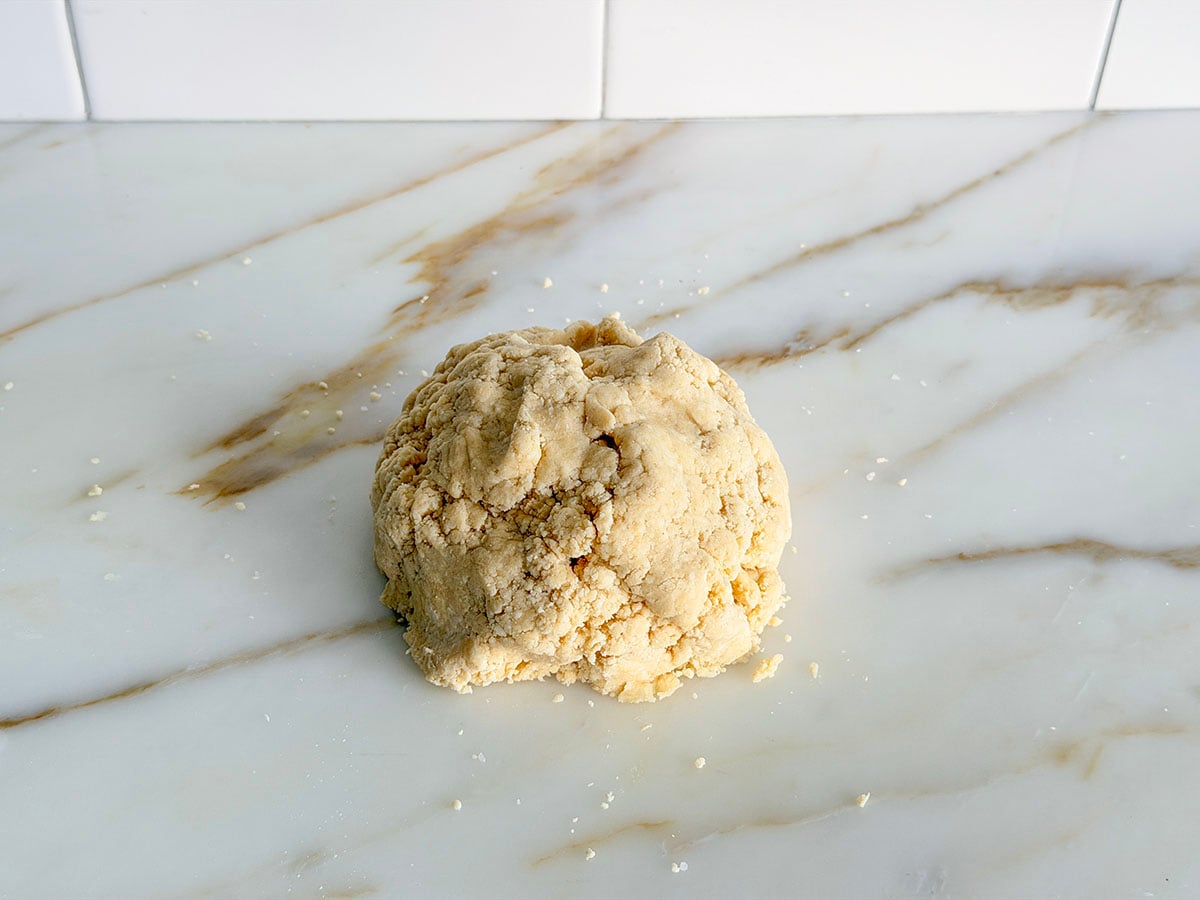
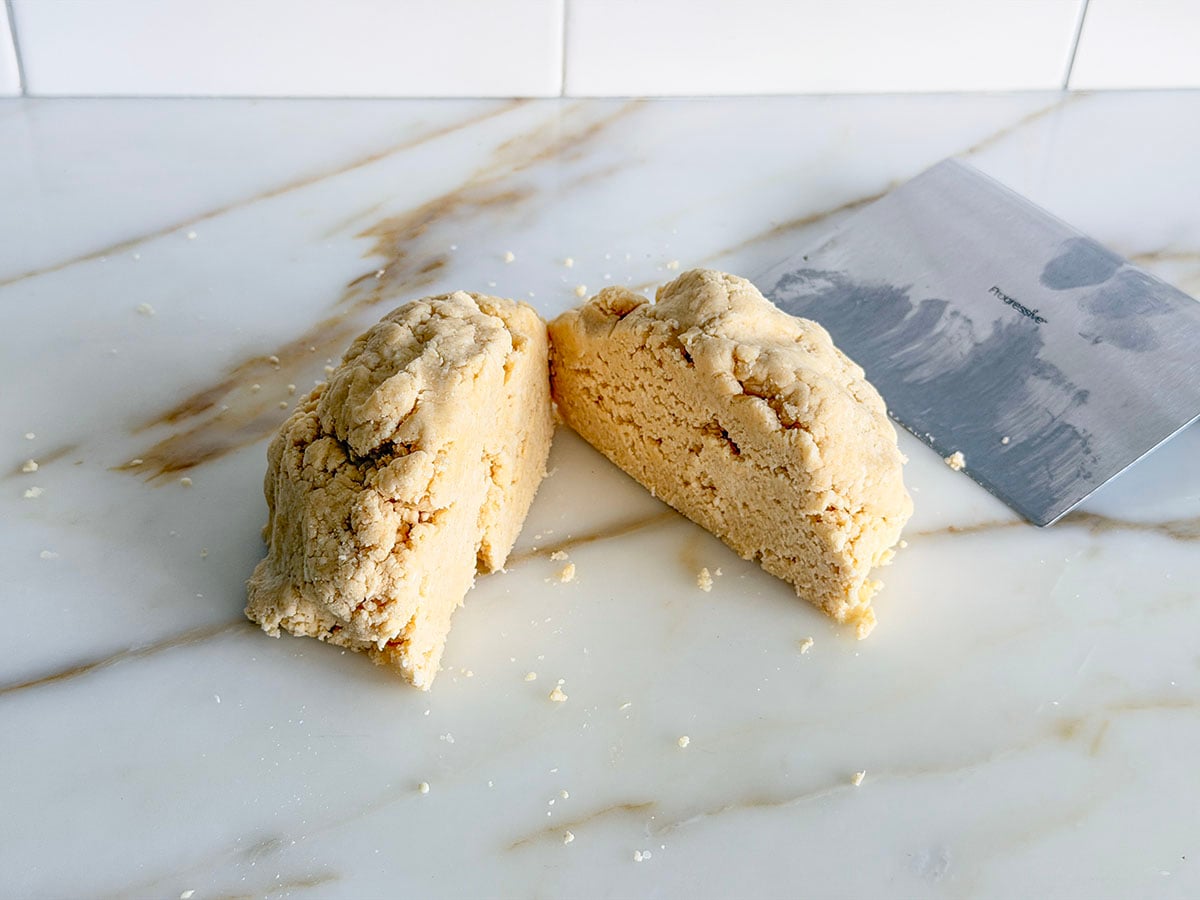
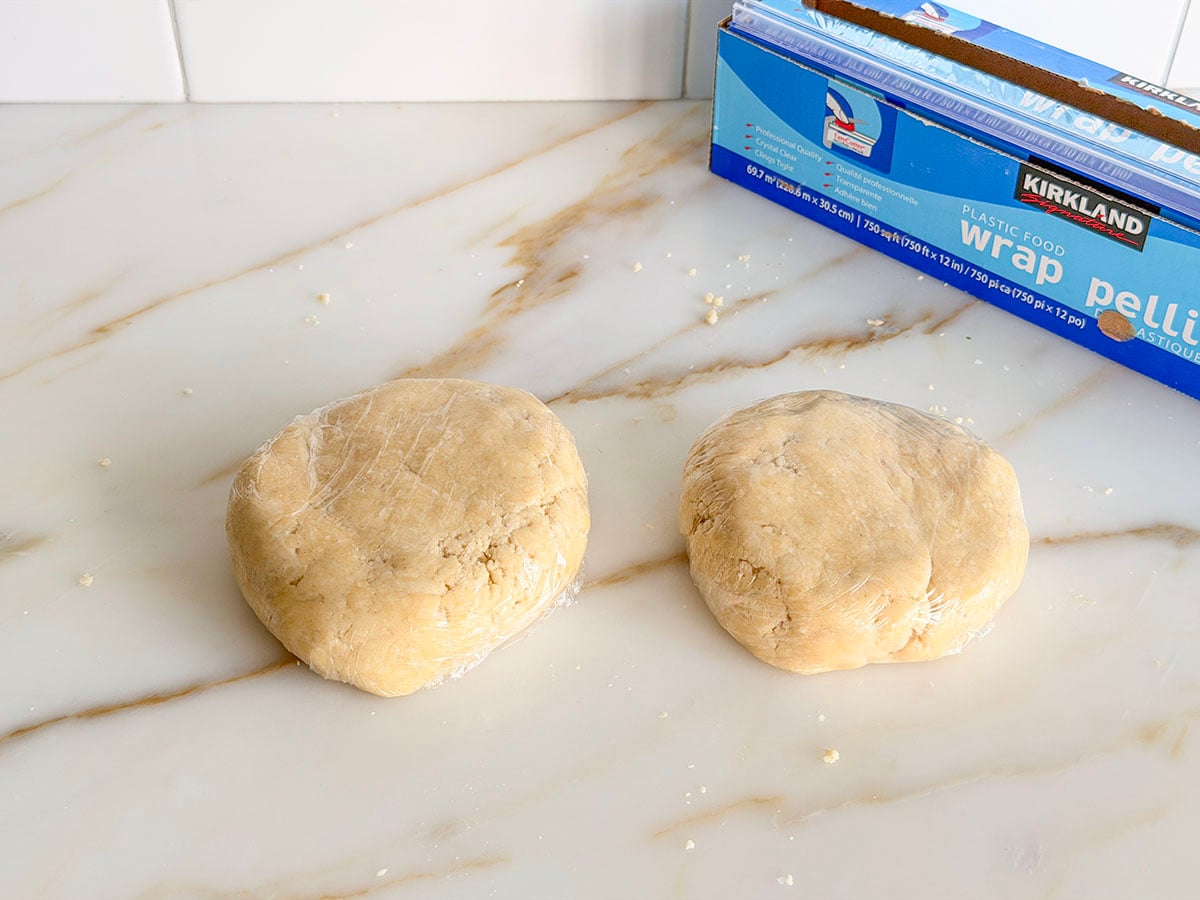
- Shape the dough. Turn the mixture out onto a clean counter. Use your hands to press it together into one cohesive piece. Work quickly and touch it as little as possible to keep it cold. Cut the dough in half, form each half into a flat disk about 4 inches across, and wrap each in plastic wrap. Refrigerate for at least 1 hour, and up to 4 days.
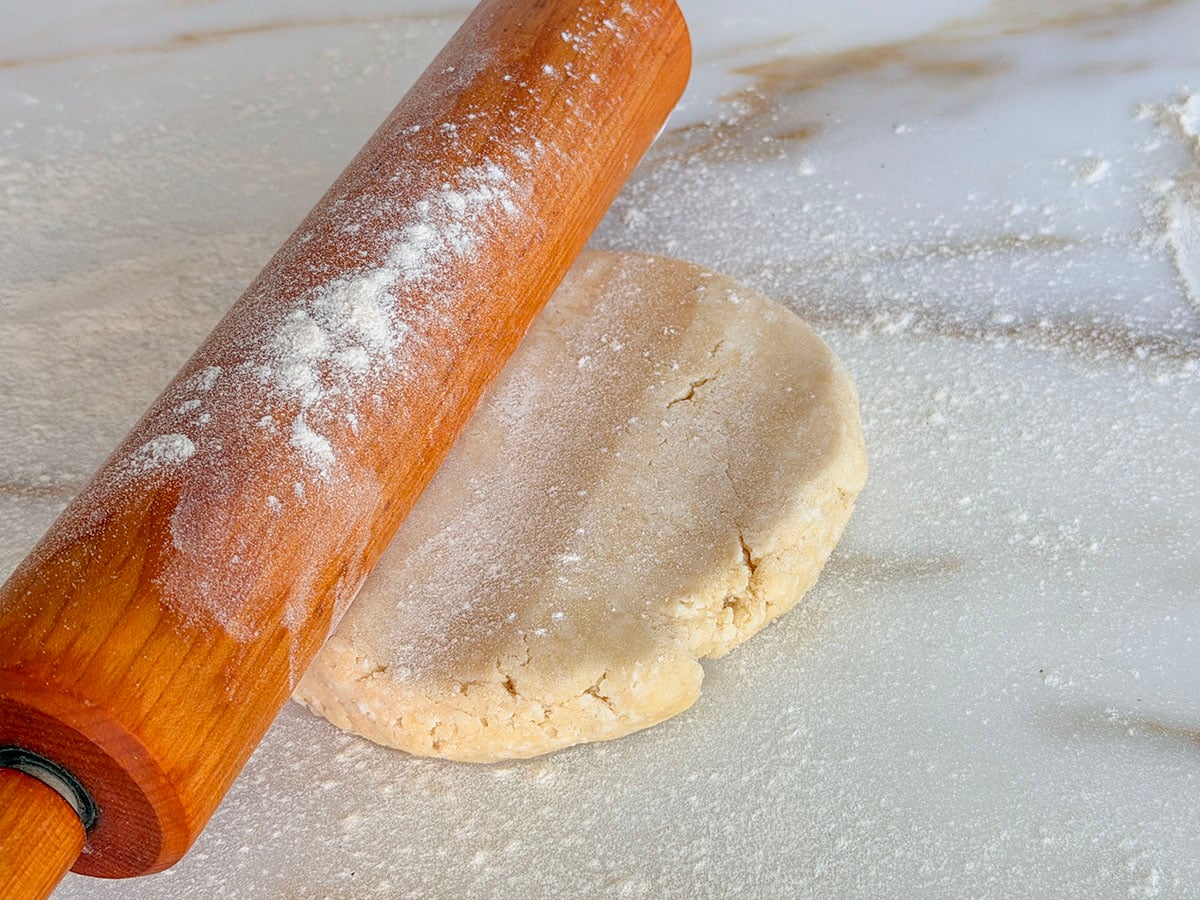
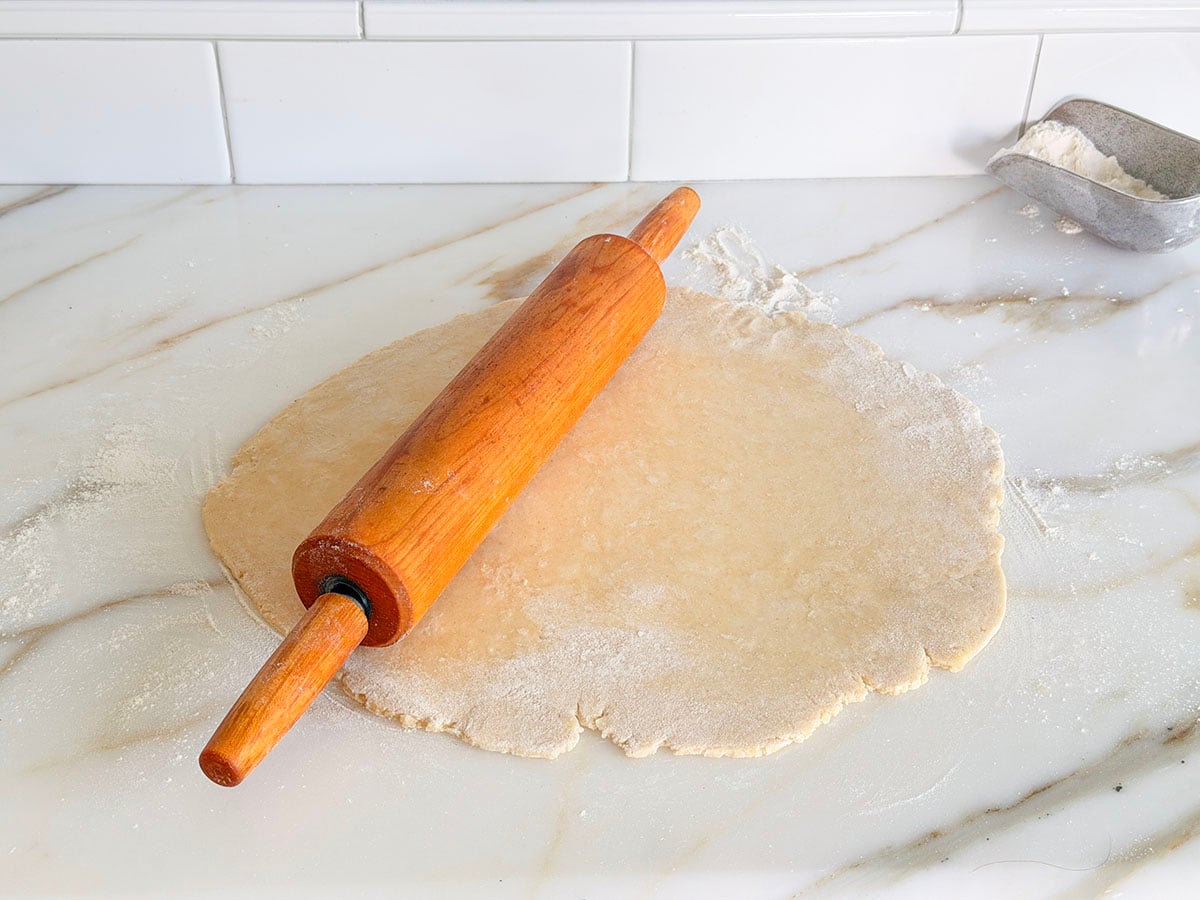
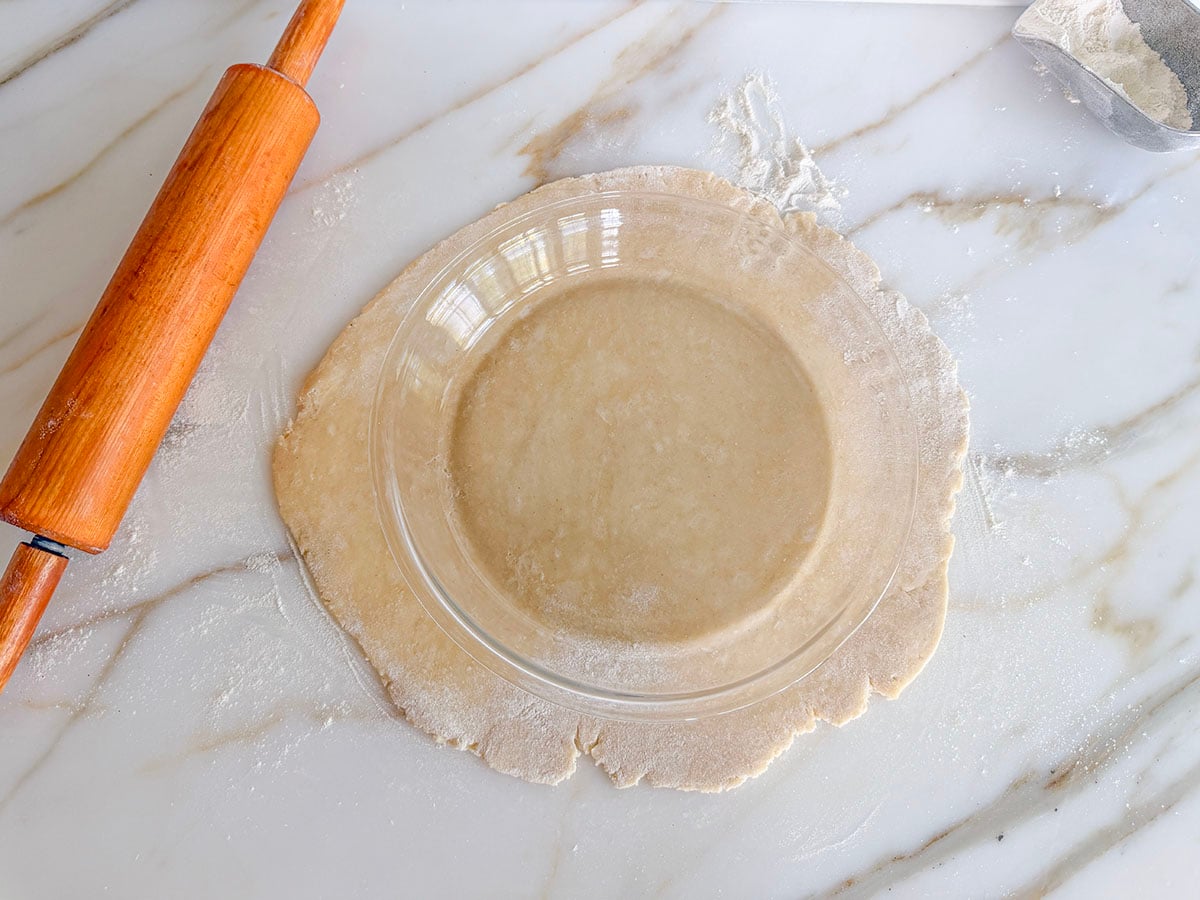
- Roll the dough. Remove one disk from the refrigerator and let it rest at room temperature for 3 to 4 minutes, just enough to soften slightly without warming through. On a lightly floured surface with a lightly floured rolling pin, tap the disk evenly a few times to begin flattening it, then roll from the center outward, giving it a quarter-turn between rolls, until the crust is about 4 inches larger in diameter than your pie plate.
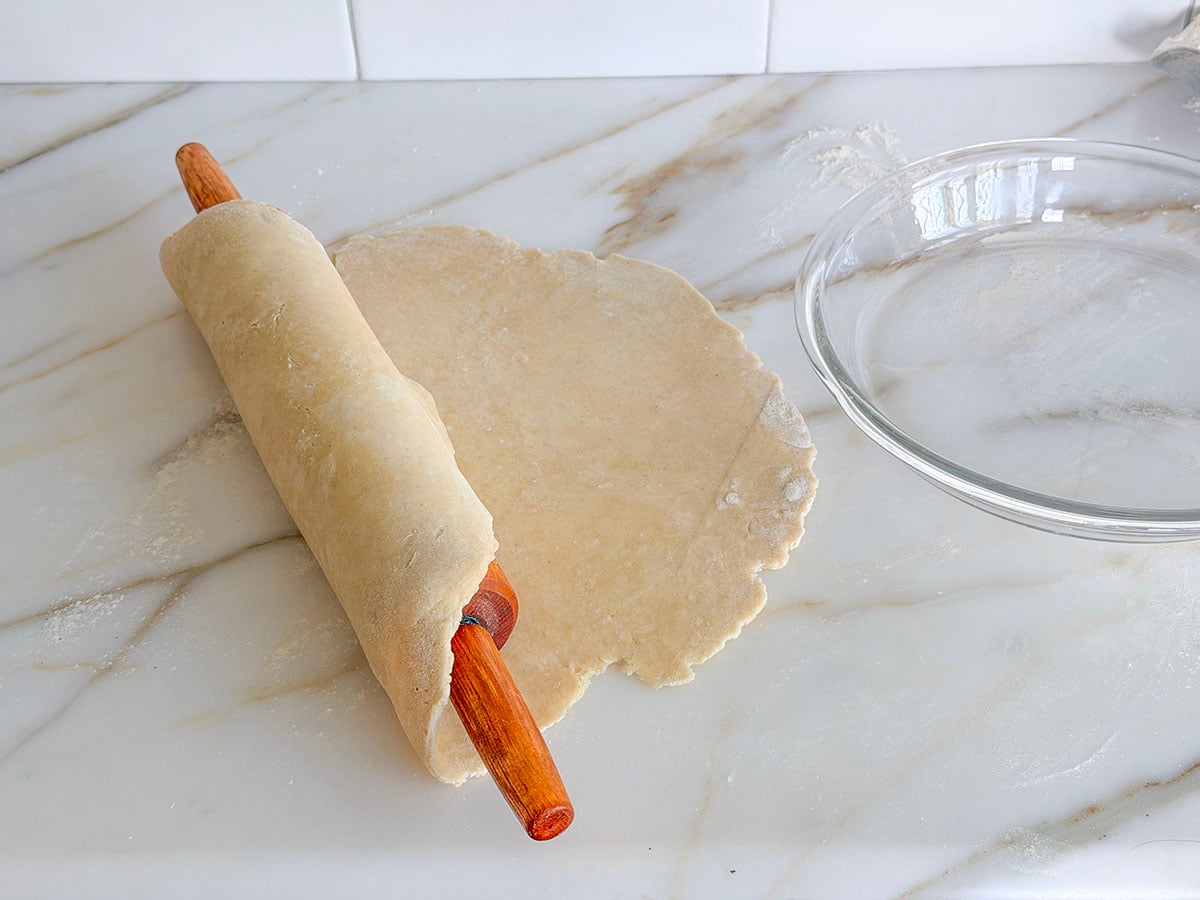
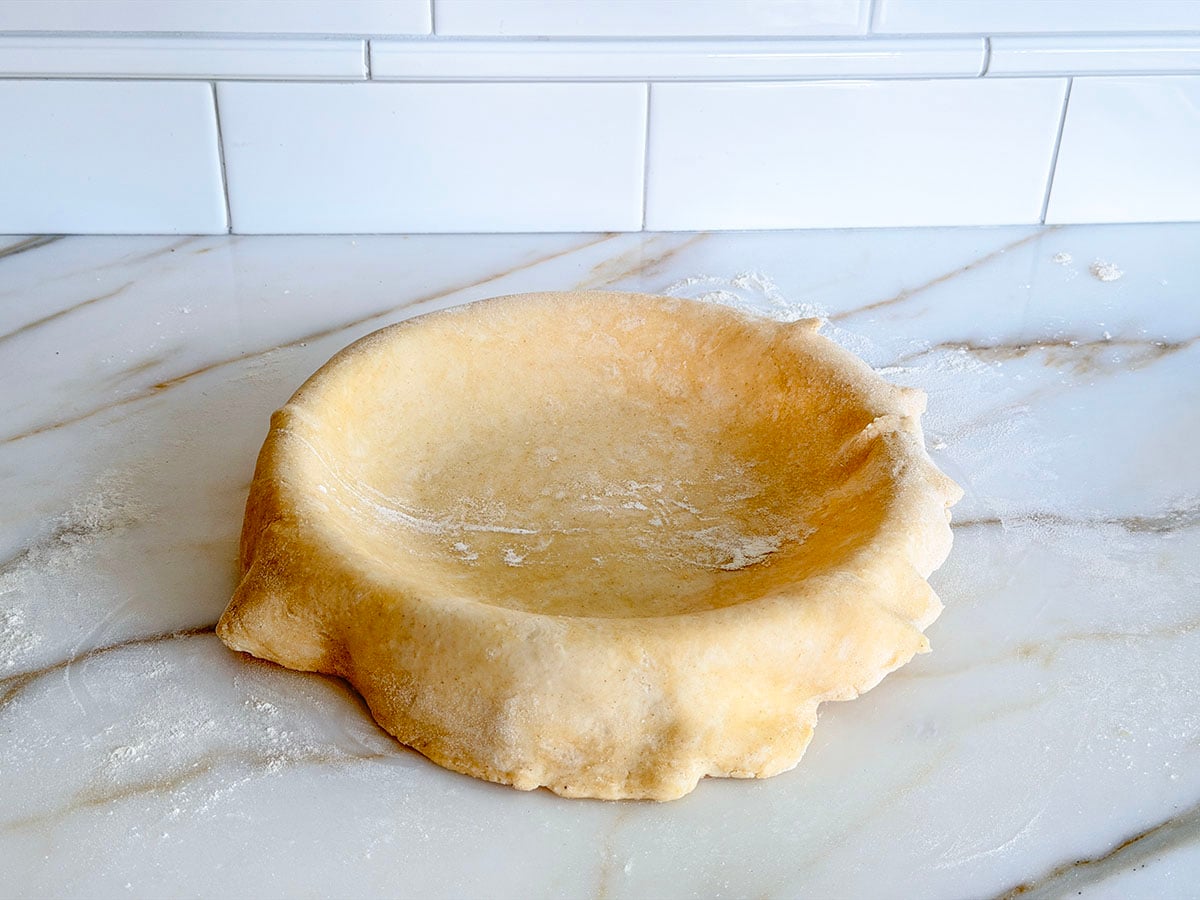
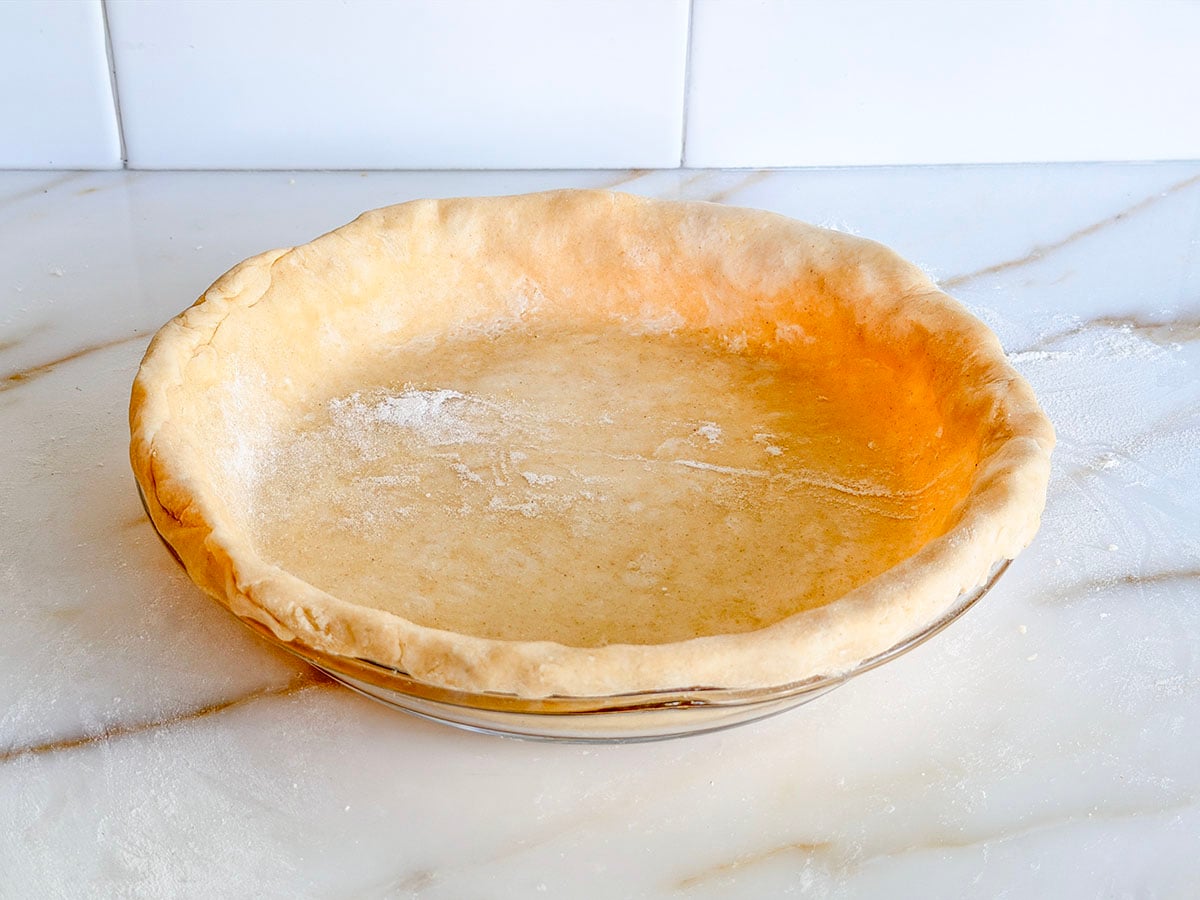
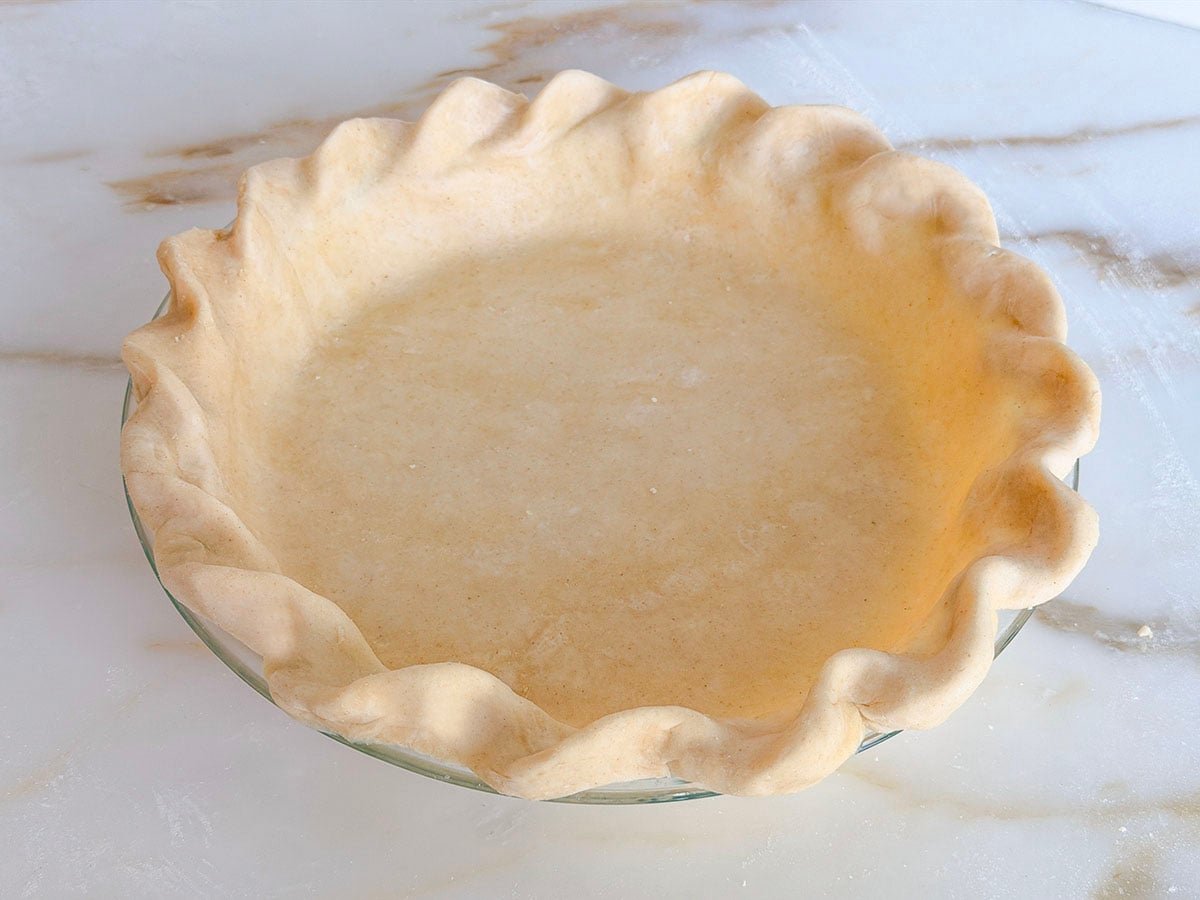
- Transfer the dough. Drape the crust over your rolling pin to lift it and transfer it to the pie plate. Ease it gently into the plate without stretching. Fold the excess around the perimeter under. Crimp the edges, and proceed with your recipe as directed. At this point, the crust can be frozen directly in the pie plate for later use.
My Top Tips & Tricks
Take a look at my best pie crust tips before you begin!
- Keep everything cold. Temperature is the single most important variable in this easy recipe. Cold butter stays in distinct pieces rather than blending into the flour, and those pieces are what create flaky layers when they hit a hot oven. Chill your flour, chill your butter, use ice water, and work quickly.
- Don’t over-process. The food processor makes this the best way to make pie crust at home, but it can also ruin the dough if you run it too long. Err on the side of stopping too soon. The dough will come together as you press it with your hands.
- Use just enough water. The exact amount of cold water will vary depending on humidity, flour, and how cold everything is. Start conservatively. A dough that looks shaggy and crumbly will press together just fine. A dough that’s too wet will shrink and toughen. If you’ve added too much water, there’s no fixing it. Start fresh.
- Let it rest. The refrigerator chill isn’t optional. It allows the gluten to relax (so the pie shell doesn’t shrink in the oven), the butter to firm back up, and the moisture to distribute evenly. One hour minimum; overnight is even better.
- Use a glass pie plate. Simple Pyrex glass pie plates are my go-to. Get the plate with a ledge around the perimeter of the plate and crimp the crust on the ledge. The glass plate allows for even heat distribution. The ledge holds the crust up and helps prevent slumping.
- Grated butter for a flakier crust. If you want an even flakier crust, try freezing your butter and grating it directly into the flour on a box grater. The thin shards distribute more evenly than cubes and create delicate, distinct layers. In this instance, use a pastry cutter rather than a food processor to combine everything. It’s a little bit more work, but well worth it for fruit pies and hand pies where the pastry is really the star.
- Patch any cracks as you roll. If the edges crack or split while rolling, simply pinch the seams together before continuing. Pie dough is more forgiving than it looks, especially when you’re making it for the first time.
How to blind bake pie crust
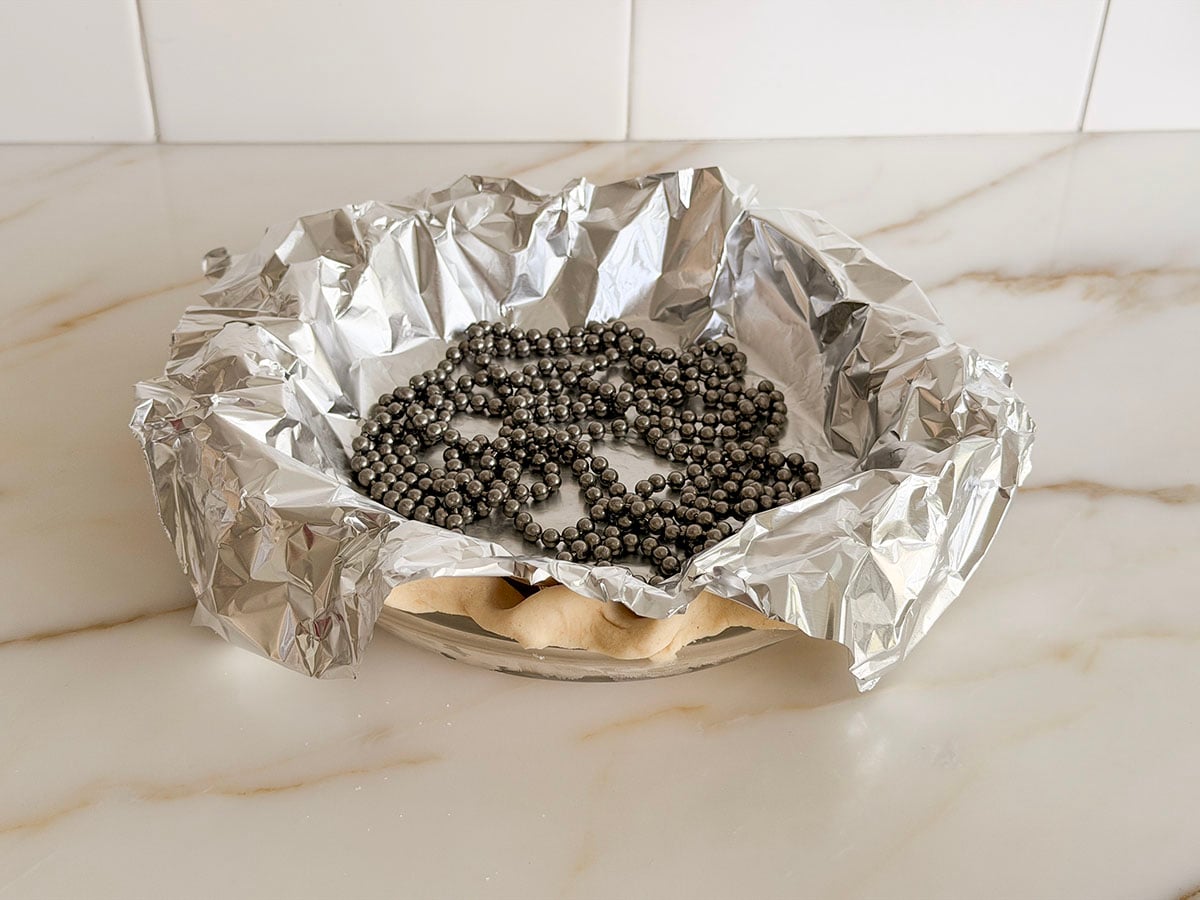
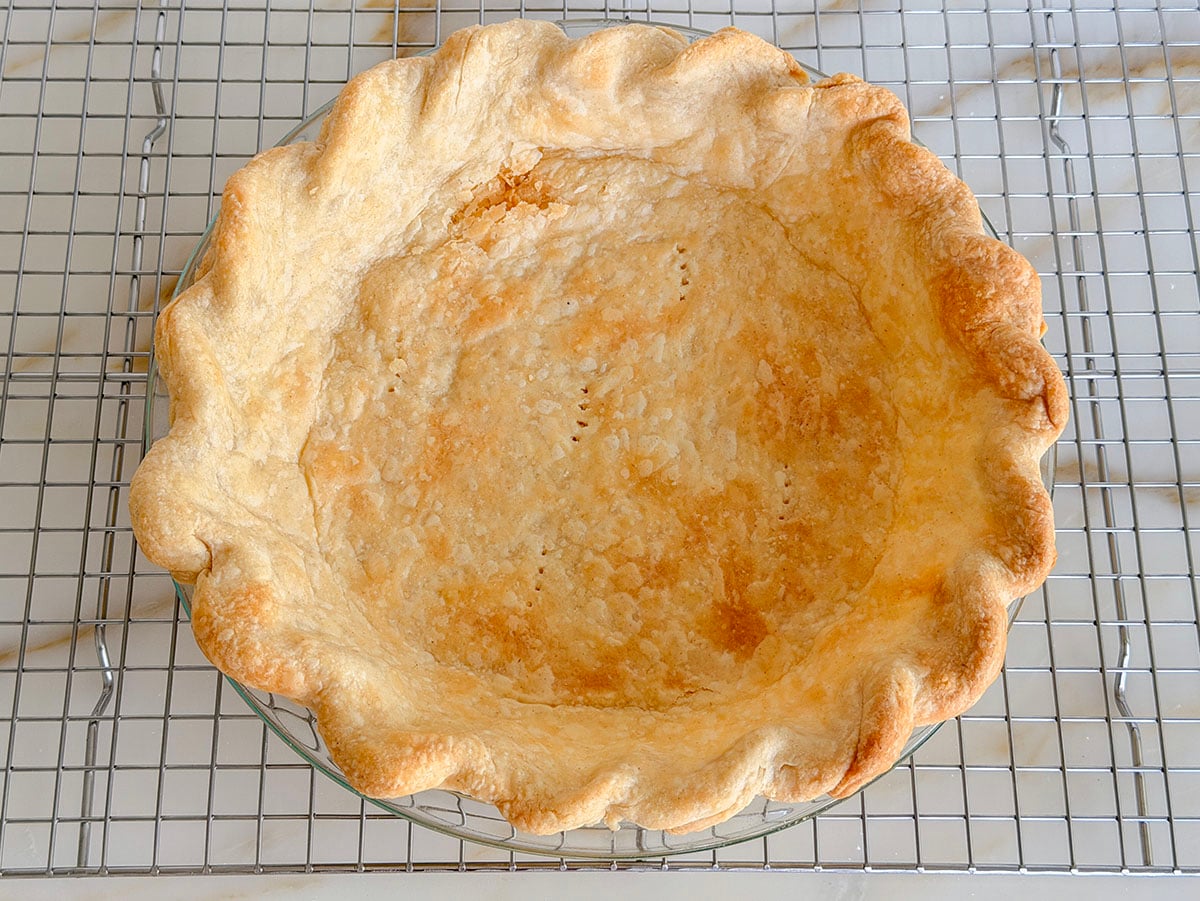
To blind bake, that is, to bake pie crust before adding the filling, go cold to hot. After fitting and crimping the crust in your pie pan (crimp up high on the ledge of the pie plate), refrigerate it for 40 minutes, then freeze it for 20 minutes. Line the pie shell with a double layer of aluminum foil (or parchment paper), pressing it into the corners and over the edges. Fill with pie weights. You can also use pie weights improvised from dry beans or rice if you don’t have the ceramic kind. Bake at 375°F for 25 minutes. Remove the weights and foil, then prick the bottom of the crust with a fork to prevent steam pockets from forming. Return to the oven: 5 more minutes for a partially baked crust (for pumpkin pie or other custard fillings), or 12 more minutes for a fully baked crust (for no-bake fillings like lemon curd or banana cream).
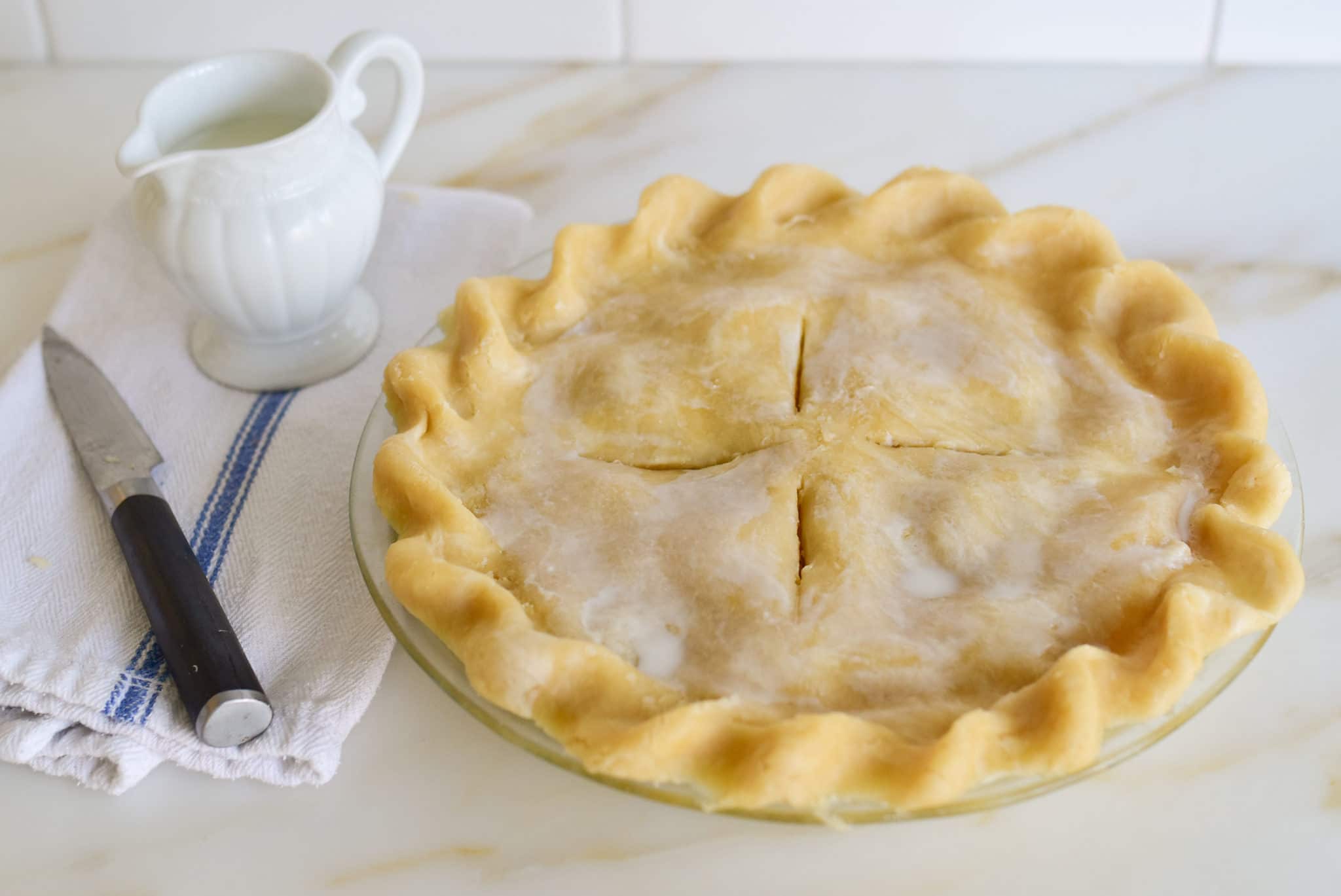
Try an egg wash for shine. For double-crust pies like homemade apple pie or strawberry rhubarb pie, brush the top crust with milk or an egg wash (one egg beaten with a tablespoon of water) before baking. It gives the crust a deep golden brown color and a beautiful sheen. Score the top with a sharp knife to allow steam to escape.
Ways to Use an All Butter Pie Crust
This recipe was developed as the foundation for my cherry pie and lemon meringue pie, two classics that each require a different approach to the crust (partially baked for the former, fully baked for the latter). But once you have this dough in your repertoire, you’ll find yourself reaching for it often.
- Single-crust pies: Custard pies, cream pies, quiche, lemon meringue pie
- Double-crust pies: Cherry, Dutch apple pie, blueberry, peach
- Savory pies and tarts: This crust works beautifully with savory fillings, too, such as chicken pot pie. Just reduce the salt slightly if your filling is well-seasoned.
- Galettes: Roll out a single disk, add fruit or savory filling, fold the edges over, and bake free-form on a sheet pan. Try my cherry galette or tomato galette!
All Butter Pie Crust Recipe
Ingredients
- 8 oz 1 cup or 2 sticks unsalted butter, cut into ¼-inch cubes and chilled
- 2 ¼ cups all-purpose flour, chilled
- 1 teaspoon salt
- 1 tablespoon apple cider vinegar or vodka
- 8 to 9 tablespoons ice water
Instructions
- Pulse the cold butter, cold flour, and salt in a food processor until the mixture resembles breadcrumbs, ensuring some small lumps of butter remain. This will takes about 15 (1-second) pulses. Don’t over-process!
- Feed the apple cider vinegar (or vodka) and then one tablespoon of ice water at a time through the feed tube of the food processor, pulsing 4 to 5 times after each addition. Stop adding liquid when the dough just begins to form large clumps and pulls away from sides of the food processor bowl. Again, don’t over-process!
- Dump the mixture onto the counter. Use your hands to push it together into one piece. Cut the dough in half.
- Form each half into flat disks about 4 inches round. Touch the dough as lightly and as little as possible as you work to keep it cool. Wrap each disk in plastic wrap and refrigerate for at least an hour and up to 4 days.
- Remove one disk of dough from the refrigerator 3 to 4 minutes before rolling so that it just begins to soften.
- Lightly flour your work surface and rolling pin. Tap down on the disk evenly across the top several times to begin to flatten it. Roll out the disk of dough from the center moving outward, turning it a quarter turn and repeating until the diameter of the whole crust is about 4 inches larger than the pie plate (this allows enough size for it to settle into the plate plus create an edge for crimping). If the edges of the crust split as you roll, pinch the seams together before continuing.
- Carefully transfer the pie crust to the pie pan by laying over the rolling pin and moving it from counter to the pie plate. Carefully nudge the crust evenly into the plate.
- Crimp the edges, and proceed with your pie recipe as directed. At this point, the crust can be frozen, in the pie plate, for later use. Freeze, then wrap well in plastic wrap.
- To bake the crust immediately, refrigerate the crust in the pie plate for 40 minutes and then transfer it to the freezer for an additional 20 minutes.
- Meanwhile, place an oven rack in the lower-middle position of the oven and preheat the oven to 375°F.
- Fit a double layer of aluminum foil into the pie shell, folding over the edges so that the entire crust is covered. Fill the pie with pie weights (over the foil).
- Bake the crust for 25 minutes, then remove the crust from the oven. Carefully remove the pie weights and foil. Prick the bottom of the crust with a fork evenly (about five pricks). Return it to the oven. Bake for 5 more minutes until pale golden brown for a partially baked crust. Bake 12 more minutes until deep golden brown for a fully baked crust.
Notes
- Keep all ingredients as cold as possible for the flakiest crust.
- Vodka can be used in place of apple cider vinegar to help create a tender crust.
- Stop adding water as soon as the dough begins to clump together. Too much water can result in a tough crust.
- For best results, chill the shaped crust thoroughly before blind baking.
- This recipe makes enough dough for a top and bottom crust for a 9-inch pie.
Nutrition
Nutrition information is automatically calculated, so should only be used as an approximation.