Anise

Apr 11, 2012, Updated Jan 21, 2026
This post may contain affiliate links. Please read our disclosure policy.
Anise, is an aromatic herb celebrated for its distinctive licorice-like flavor. Find it in all kinds of Mediterranean and Lebanese recipes.
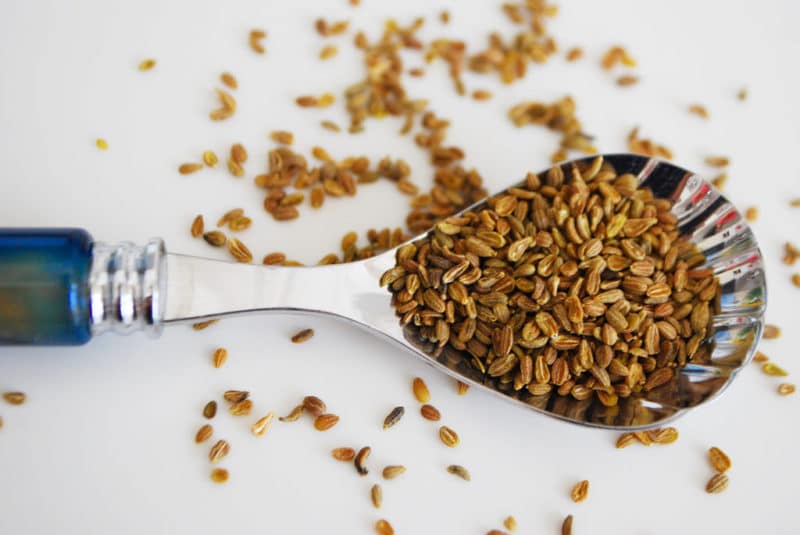
Have you ever been browsing the seasoning aisle of your local grocery store and wondered, “What is anise?” If you’ve ever tasted black licorice, sambuca, or Lebanese arak, then you already know the unmistakable flavor of this aromatic herb. With its sweet notes, anise has been a beloved ingredient for thousands of years, used in everything from Middle Eastern sweets to European cookies and even herbal teas.
There is no flavor that reminds me more of my mother than anise. She is the only person I have known whose favorite candy is soft black licorice. Anything that even hints of anise made her close her eyes and breathe deeply: Ellen Fata’s frosted anise Christmas cookies and Italian biscotti, Sfouf cake, Ka’ak, Lebanese Fig Jam. Needless to say, we are not one of those homes that finishes all but the black jelly beans at Easter!
But what exactly is anise, how is it different from star anise, and how do you use it in the kitchen? Let’s dig in!

Why I Love Anise
My grandfather, Richard Abowd, was a candy maker. He had a little candy shop and always brought home bags of black licorice, a memory my mother recounted often. Eating anything flavored with anise transported my mother back to her home on Maple Street, where her memories remained most vivid.
Aromatic anise is trademark Lebanese, in our sweets but also in our drink–like potent and delicious Arak. We add a few generous tablespoons of aniseed to our fig jam, cookies and so many other treats, for that similar flavor of licorice.
Happy Cooking!
– Maureen
What Is Anise?
Anise (Pimpinella anisum L.) is an herb in the Apiaceae family, related to fennel and parsley. The small, ridged seeds are the part most often used in cooking, celebrated for their sweet, licorice-like taste.
It’s not the same as star anise, though they share flavor similarities (we’ll get to that later). Anise is a traditional ingredient in Middle Eastern, Mediterranean, Indian, and European cooking, where it flavors breads, cookies, jams, teas, and liqueurs.

History & Origins
Anise has ancient roots. The anise plant was cultivated by the ancient Egyptians in North Africa, valued by the Romans for both cooking and medicine, and spread throughout the Mediterranean. The herbaceous plant thrives in warm, dry regions with sandy soil, making Southern Europe and the Middle East ideal growing areas.
In Lebanese kitchens, this flavor shows up in classics like Ka’ak cookies, Sfouf cake, and fig jam. It’s also a distinctive flavor in arak, Lebanon’s national spirit with a similar licorice-like flavor.
Health Benefits of Anise
It’s is often used for more than just adding flavor to recipes and is a common herbal remedy known among medicinal plants for medicinal purposes, including:
- Digestive aid: Known to reduce bloating, indigestion, and nausea.
- Respiratory support: Often used in teas and syrups to ease coughs.
- Antioxidants: Compounds in anise may help reduce inflammation.
(As always, it is a good idea to check with a healthcare provider before using aromatic plant herbs medicinally.)
What Does It Taste Like?
Anise has a sweet, aromatic flavor that’s often compared to black licorice. It’s slightly earthy with a warm, lingering sweetness. Unlike fennel, which has a milder, greener flavor, it is more intense and best used sparingly to balance other ingredients.
Anise vs. Star Anise
Though they share a name and flavor compound (anethole), anise and star anise are not the same. For instance, native to the Mediterranean, anise is small with ridged seeds and a licorice taste.
Meanwhile, whole star anise grows as star-shaped seed pods and grows on evergreen trees in China as it has since ancient times (often referred to as Chinese star anise). It has a stronger, spicier flavor and is commonly used in Chinese five-spice and savory recipes.
While similar, they can’t always be substituted 1:1, because star anise is much more pungent.
Whole vs. Ground Anise
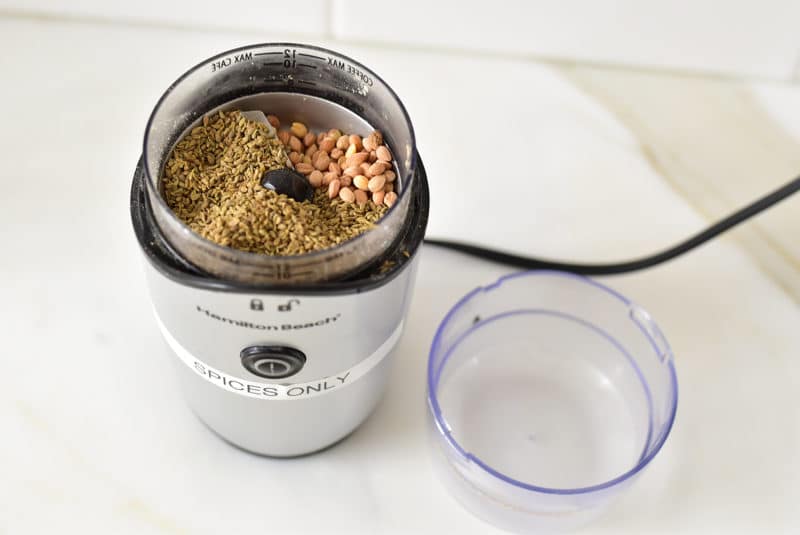
If possible, I always recommend buying whole anise and grinding it yourself, because once ground it loses its flavor much more quickly.
- Whole Seeds: Best used in teas, breads, spice blends, and simmering dishes.
- Ground Anise: Also known as anise powder, it’s perfect for cookies, cakes, biscotti, and spice mixes.
How to Store
Keep anise seeds in airtight jars or zip-top bags. Store them in a cool, dark place away from heat and moisture for up to two to three years. Note that whole seeds last longer than ground. You’ll know it’s time for new if the color changes or it loses its aroma. If you do keep it already ground, buy small jars to use it up more quickly and retain freshness.
Ways to Use
Some of my favorite ways with it:
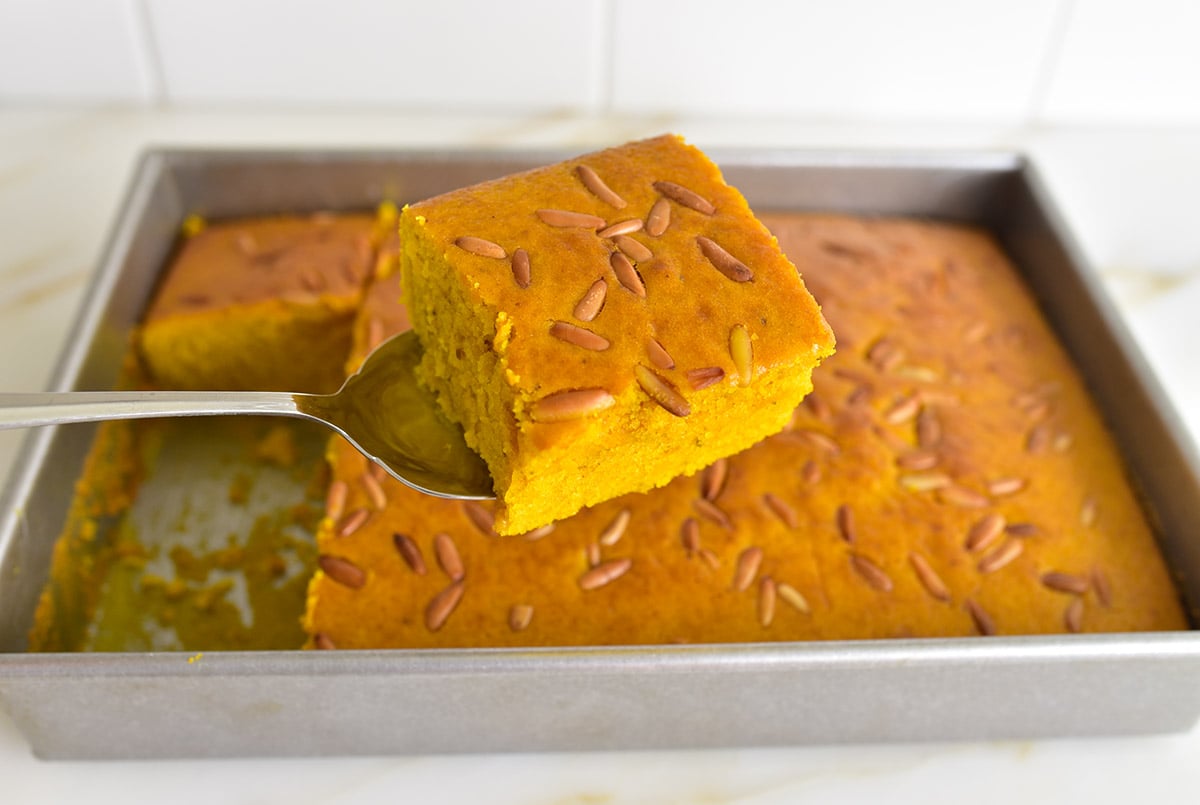
- Baked Goods: Adds depth to biscotti, holiday cookies, Lebanese ka’ak, ka’ik biscuit cookies, and cakes.
- Savory Dishes: Whole or ground seeds can be added to stews, rice, and spice blends.
- Drinks: Brew the seeds into herbal tea or use them to flavor spirits like arak, sambuca, or anisette.
- Jams & Sweets: Enhances fig jam, candies, and syrups with a unique licorice flavor.
Substitutions
Okay, not everyone loves anise like my mother did and like so many of us do!! My brother Chris will walk back out the door if he comes into the kitchen and anise is happening. That guy is very certain that he does not want it in anything. While I’m a huge fan, I know not everyone loves it. That said, substitutes will depend on what recipe you are making. I try to compensate with flavors like vanilla, cinnamon, allspice, fennel seeds (but similar flavor here), cumin, and nutmeg.
This is not a 1-1 substitution, though. There is often a generous amount of anise in recipes to be sure the flavor is strong enough. There are significant differences in amounts, with just small amounts of the substitutes, again depending on the recipe.
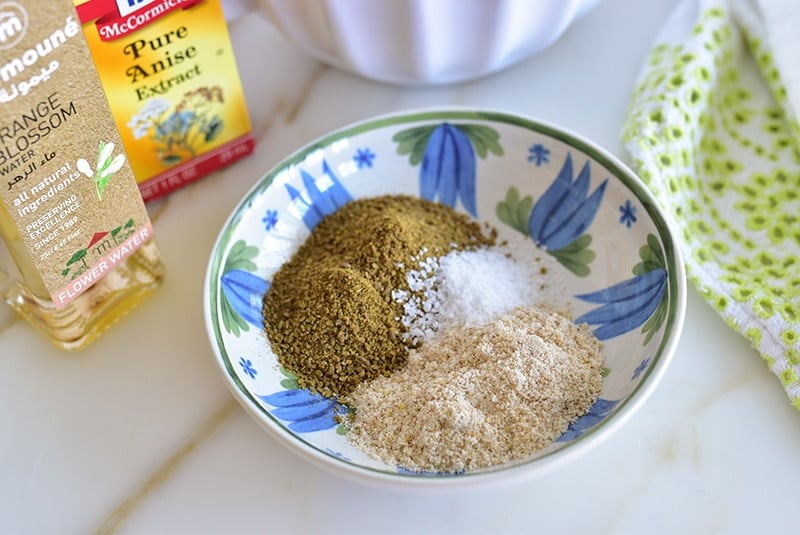
You can also substitute whole seed and ground anise seed with anise extract or even anise oil or essential oil of anise. I often double up using fresh ground seeds along with extract for even deeper flavor.















I like black licorice as well, but I’m lebanese and I love Arak. i enjoy your posts
Thank you Paul! Arak is soooo gooood!!
Well now you know two people that like soft back licorice. I think it is a waste of calories to eat the red so called licorice (which my wife prefers). A boy hood friend hates the anise flavor, I once bought him a bag of black jelly beans as a joke.
I find Arak too strong, not alcohol strong (which it is also) but anise flavoring strong. Over the years I have taken to adding a little sweet Anisette Liquor to vodka, it is much sweeter and easier to drink, also you can vary the anise flavor strength by using more or less Anisette. You can also dilute it with water if straight vodka is too much.
Which reminds me of my own unique invention. You have heard of B and B of course (Benedictine and Brandy). Well you are now privileged to know the inventor of B and A, which is something I started to do years ago along the lines of adding Anisette to vodka. I just add a bit of Anisette to Brandy and call it B and A! Again you can vary the strength and it is very good!
As long as I am giving my secrets away I will also throw in a personal addition that I manage when making barbecue sauce. I start with “off the shelf sauce”, a two or three bottles, add half a jar of grape jelly for sweetening and thickening, onion flakes, garlic powder, just about anything you feel like throwing in…..but the secret is adding fennel seed! I got that idea because I love the taste of the fennel (sort of a mild anise taste) in Italian sausage….used in pizza. I simmer the whole batch in a sauce pan while grilling the meat and brush it on at the end of the grilling as the meat starts to cool down over a lowered flame. You would be amazed at how it sticks to the meat (because of the grape jelly I suppose), and the fennel seeds by then have softened and have given up their flavor to the sauce.
Maureen, if your grandfather Richard was a candy maker, why haven’t you by now copied the Mackinaw Island fudge maker’s secrets? (There are about 15 fudge shops on Mackinaw if I remember right, maybe it was 50). You promised!!!
best, Jerry Wakeen