This post may contain affiliate links. Please read our disclosure policy.
Pomegranate molasses is a sweet-tart syrup that is an important flavor maker in Middle Eastern cuisines. Here is everything you need to know about how to make and use pomegranate molasses.
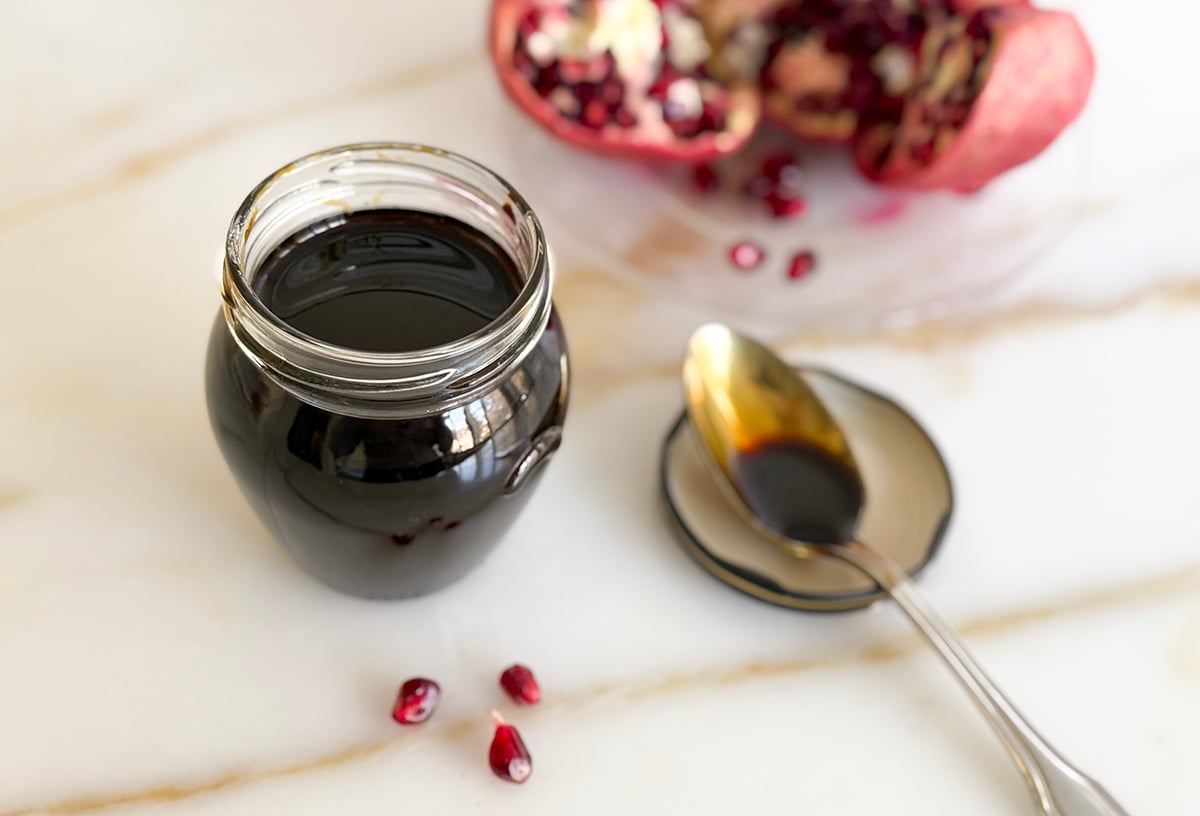
It’s such a versatile ingredient, adding depth to everything from salad dressings to marinades. It drizzles like a good balsamic vinegar for ultra-simple applications. Here’s everything you need to know about what it is, how to make it, ways to use it, and where to buy it.

Why I Love Pomegranate Molasses
With its tangy, complex taste, pomegranate molasses is one of my true go-to pantry favorites! Very often when someone asks me “what’s in this that’s so delicious?”, the secret ingredient is the deep pomegranate flavor of pomegranate molasses. I won’t “fattoush” without it! Once you taste it, you won’t want to either!
Happy Cooking!
– Maureen
What Is Pomegranate Molasses?
Pomegranate molasses is a thick condiment made by reducing pomegranate juice until it becomes concentrated and slightly syrupy. The result is a bold, tangy flavor that’s often compared to balsamic vinegar, though less astringent and with a distinctly fruity edge.
It’s a staple in Middle Eastern cooking, especially in Lebanese cuisine, where we love sour flavors. It’s used in classics like fattoush salad and in marinades for meats. While you can buy it bottled, making it at home is surprisingly simple and allows you to control the ingredients, too.
Health Benefits
Pomegranate molasses isn’t just delicious! It’s also packed with nutrients, like so many of our Middle Eastern approaches that are core to the Mediterranean diet. Pomegranates are rich in antioxidants, vitamins, and minerals that support overall health. Using this ingredient in your cooking is a flavorful way to add extra nutritional benefits to your meals.
How to Make Pomegranate Molasses
Making the pomegranate syrup that is pomegranate molasses at home is easy and simply a reduction of pomegranate juice. Think of it like a balsamic vinegar reduction. It requires only pomegranate juice . . . and time!
Ingredients
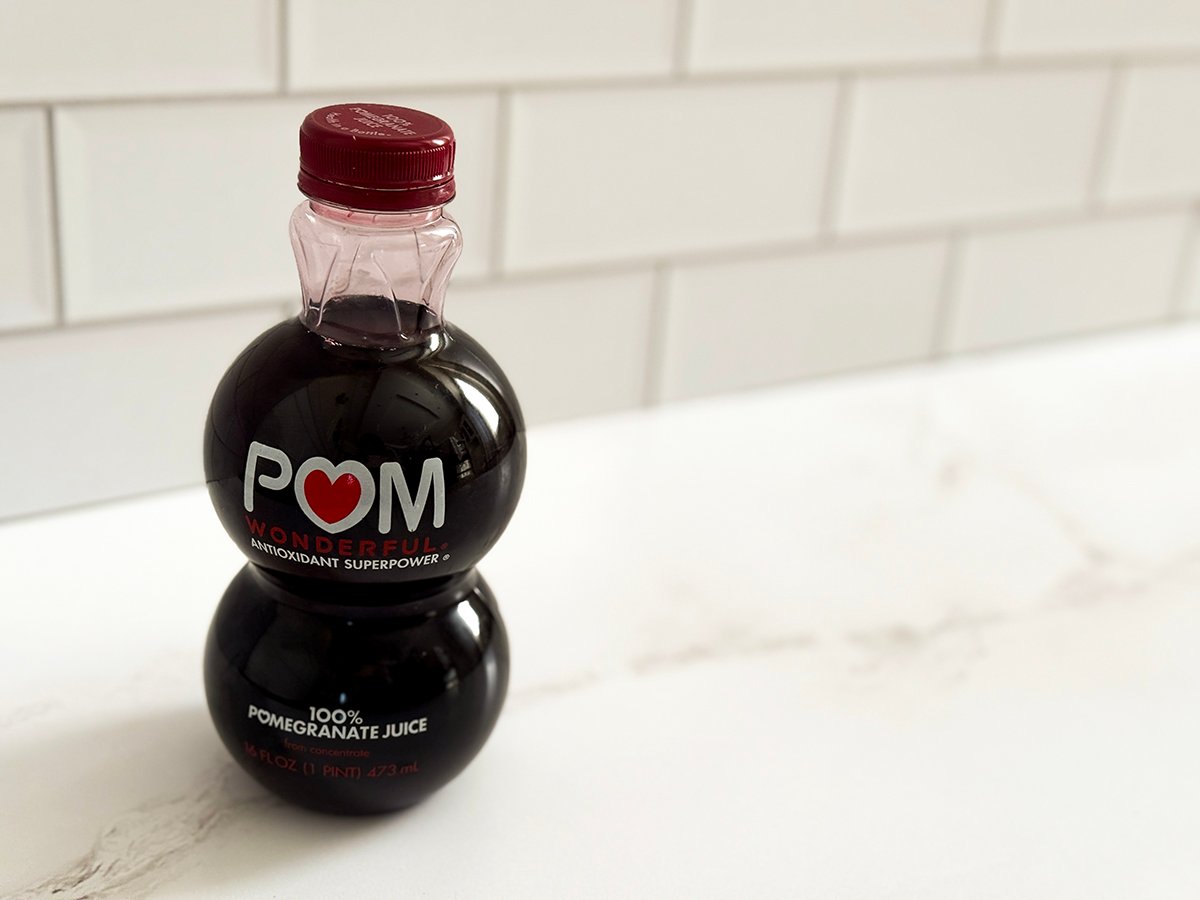
- Pure pomegranate juice (store-bought pomegranate juice is excellent, or juice from fresh pomegranates)
Instructions
Step 1: Get your juice
If you want to try making your own fresh pomegranate juice, here’s how:
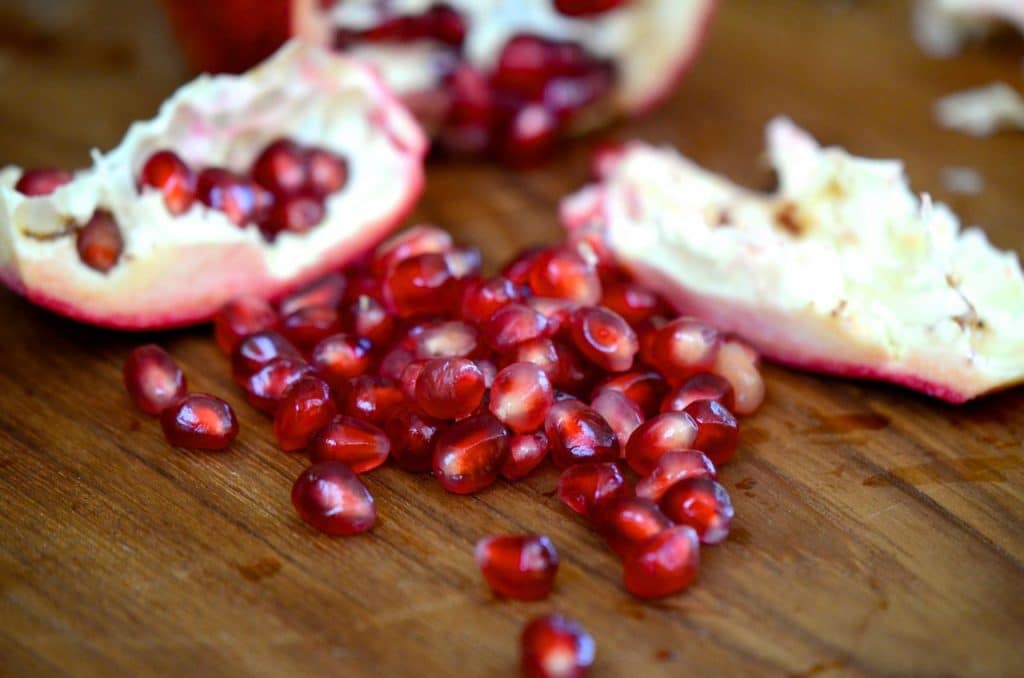
- Preparing the Pomegranates: Start by cutting the large pomegranates in sections based on the lobes that are visible around the exterior of the fruit. Cut out the stem end, then score the lobes and pull them apart. You can now remove the seeds. To reduce the mess, fill a large bowl with water and submerge the pomegranate halves. This helps to contain the pomegranate seeds (arils) as they fall into the water. Gently push the arils out of the white pith, which is bitter and not desirable in your juice!
- Juicing: Once you have collected the arils, blend them in a food processor briefly (just a few seconds) to release the juice.
- Strain the Juice: This is essential. Pour the mixture through a fine mesh strainer into a large bowl, using the back of a spoon to extract as much juice as possible while leaving the seeds behind.
Step 2: Cook Down the Juice
- Reduce the Juice: Pour the fresh juice or bottled juice into a large, heavy saucepan. Bring to a boil over medium-high heat, then reduce the heat to medium-low and allow it to simmer, stirring occasionally. This process may take 90 minutes or more. You’re looking for a syrupy consistency, where the volume reduces significantly.
- If using, add sweetener: If you prefer a sweeter molasses, mix in any sweetener (maple syrup, date syrup, white sugar, honey, etc.) before boiling. Remember that added sugar is optional, as pomegranate juice has a natural sweetness and is meant to be sour, and you might want to keep it healthy by using less sugar.
- Check the consistency: You’ll know your pomegranate molasses is done when it lightly coats the back of a spoon. It should be significantly thicker than the original juice, but not overly thick; it is not a very thick syrup. Allow it to cool at room temperature.
Ways to Use
- Salad Dressings: Fattoush! Fattoush Salad, the Lebanese salad with all kinds of good ingredients, especially crushed pita chips, relies on tangy pomegranate molasses, sumac, lemon juice, garlic, and dried mint for its incredibly good flavor. Use it as a great addition to salad dressings of any kind, considering it vinegar-like (though not quite as astringent). Combine it with olive oil (try my favorites, Lebanese olive oil) and lemon or lime juice (or rice vinegar) for a zesty dressing that enhances leafy greens, chopped salads, and roasted vegetables.
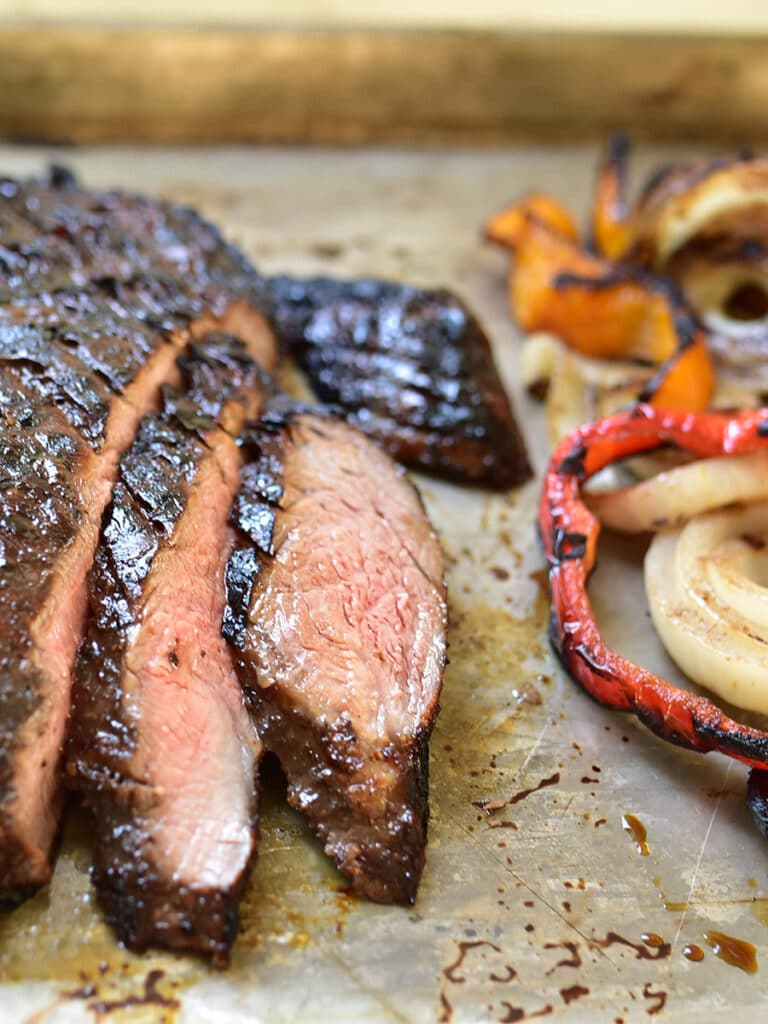
- Marinades: Use it in marinades for savory dishes like pomegranate chicken thighs or drizzled over grilled meats. The molasses infuses dishes with a more complex, rich flavor.
- Drizzles and Sauces: Again, like balsamic, sweet-tart pomegranate molasses can also be drizzled over fried or grilled vegetables, pomegranate-glazed sweet potatoes, or mixed into sauces for added depth. Combine it with balsamic vinegar for a unique twist.
- Desserts: Use the tangy flavor of pomegranate molasses to creatively enhance desserts. It tastes wonderful with homemade yogurt or ice cream, or can be used to add a sweet-tart element to cakes or drizzled over fruit salad.
- Middle Eastern Dishes: Incorporate it into favorites such as bulgur salads or use it as a marinade for lamb and beef, or as a glaze (try Pomegranate Marinated Flank Steak).

How to Store
Purchased pomegranate molasses stores well in the pantry, in a cool, dark place, for at least a year. For homemade pomegranate molasses, once cooled, transfer it into a clean glass jar or other airtight container. Make sure it’s sealed tightly to ensure a longer shelf life, typically lasting several months in the refrigerator.
To freeze, pour the liquid into an ice cube tray and freeze in small portions, then transfer to a freezer bag or container for up to one to two years. Thaw cubes as needed to add flavor to dressings, marinades, or sauces.
Where to Buy Pomegranate Molasses
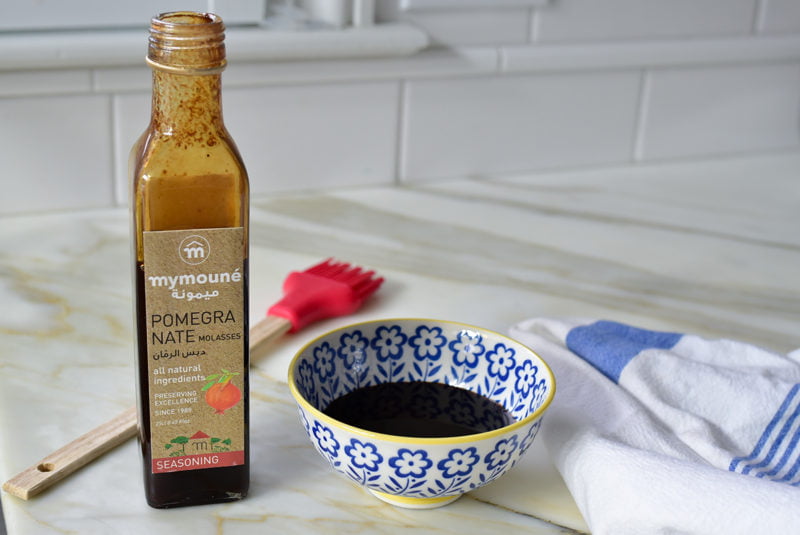
Pomegranate molasses is increasingly available in many supermarkets, often in the international or Middle Eastern section. It’s also widely sold online. For the purest flavor, try my shop’s imported pomegranate molasses from Lebanon, or make your own at home for the freshest taste.
Pomegranate Molasses Recipe
Instructions
- Pour the juice into a large, heavy saucepan. Bring to a boil over medium high heat. After it begins to boil, reduce it to low heat. Stir occasionally to prevent sticking.
- Reduce the heat to medium low and allow it to simmer, stirring occasionally until the juice is reduced significantly, to about 3/4 cup, and the molasses coats the back of a spoon.
- Cool completely, then store in an airtight container, such as a jar, in the refrigerator.
Nutrition
Nutrition information is automatically calculated, so should only be used as an approximation.
FAQs
Is pomegranate molasses the same as grenadine?
No. While both are made from pomegranate, they’re very different. Grenadine is a sweet syrup (often with added sugar and sometimes artificial flavoring) used in cocktails and sodas. Pomegranate molasses is reduced pomegranate juice with a thick, tangy, slightly tart flavor used in cooking.
Can I make pomegranate molasses without sugar?
Yes! Traditional pomegranate molasses can be made with nothing but pomegranate juice. Adding sugar (or honey, maple syrup, etc.) balances tartness, but it’s optional. Pure juice-only versions are common and often preferred for a healthier, more natural flavor.